
 – Copyright 2024
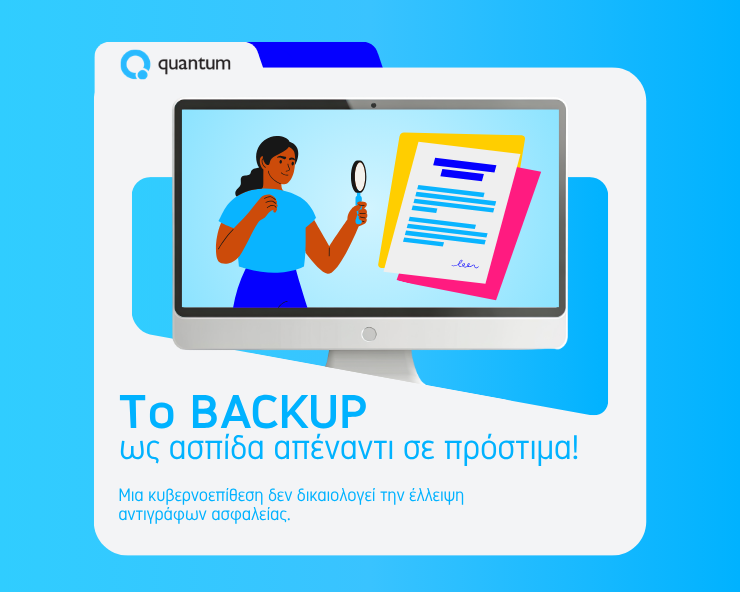
Can a ransomware attack excuse a late tax filing? A decision by Greece’s Dispute Resolution Directorate (DED) is a reminder that businesses should not assume it will. For small and medium-sized enterprises (SMEs), reliable backups, practical cybersecurity controls and a tested recovery plan are part of staying operational—and meeting tax obligations.
A business using double-entry books received a penalty after submitting a payroll withholding tax return late. The company appealed, arguing that a ransomware attack had encrypted and destroyed its accounting and tax records, making it impossible to gather the information needed to file on time.
It relied on force majeure under Article 71 of Law 5104/2024, the Greek Code of Tax Procedure. The DED rejected the appeal. In this case, it did not consider the cyberattack sufficient to excuse the late filing, noting that businesses are expected to take reasonable steps to protect their records and maintain continuity.
Force majeure generally refers to an extraordinary event that could not reasonably have been foreseen or prevented despite due care. The decision highlights the risk of relying on that argument when essential business records are not adequately protected. A backup strategy does not guarantee that a penalty will be waived, but it can help a business restore records and continue meeting its obligations after an incident.
For practical resilience, businesses should:
The practical message is clear: cybersecurity and backup planning are part of sound business management, not just an IT concern. Losing access to records can disrupt operations and make it harder to meet tax deadlines. A tested recovery plan helps your team restore critical information and respond with less uncertainty.
Quantum combines accounting and tax expertise with IT, ERP and digital transformation services. We help businesses strengthen the systems and processes behind their financial operations, so they can protect critical data and stay on top of their obligations.
Want to review your backup and business continuity setup? Contact Quantum’s team to discuss a practical approach for your business.
Source: Taxheaven.gr – A ransomware attack was not recognized as force majeure in a tax penalty case.
– Copyright 2025